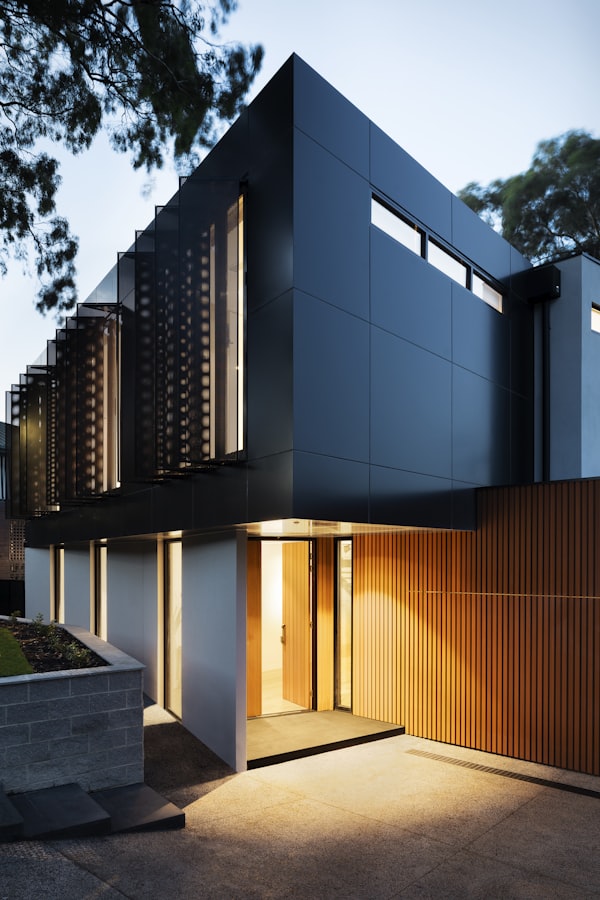

Mountain architecture has always held a special place in my practice. There's something about building in extreme environments that clarifies thinking and strips away the superfluous. The alpine context demands a certain honesty about materials—they must weather, age gracefully, and feel inevitable within the landscape.
The Teacher of Restraint
Mountains teach restraint. The environment is so visually powerful that architecture risks becoming either invisible or grotesquely prominent. The goal is to find the middle path: presence without imposition.
This restraint extends to material choices. In the mountains, you want a palette that could have emerged from the landscape itself. Stone found in local quarries. Timber species native to the region. Metals that weather to colors that echo rock and bark.
"The best mountain architecture doesn't fight the landscape or surrender to it—it enters into conversation with it."
Weathering as Design Intent
In urban contexts, we often try to protect materials from weathering. In mountain architecture, weathering becomes part of the design intent. Untreated wood silvers to match the gray of stone. Cor-ten steel develops a patina that echoes autumn hillsides. Copper turns green over decades.
This approach requires thinking in longer time frames. You're not designing for how the building will look at completion, but how it will look in 10, 20, 50 years.
The Sustainability of Durability
There's deep sustainability in choosing materials that last and age well. A stone wall built with skill will outlast the building it encloses. Heavy timber framing, protected from moisture, can stand for centuries. These choices may cost more upfront but amortize over decades.
Lessons for All Contexts
The lessons of mountain architecture apply beyond mountain sites:
- Choose materials for their long-term behavior, not just their initial appearance
- Consider how finishes will age and maintain
- Look for local materials that connect building to place
- Embrace rather than resist natural processes
Every site has its own lessons to teach. The mountain's lesson is about patience, humility, and the beauty of things that last.